
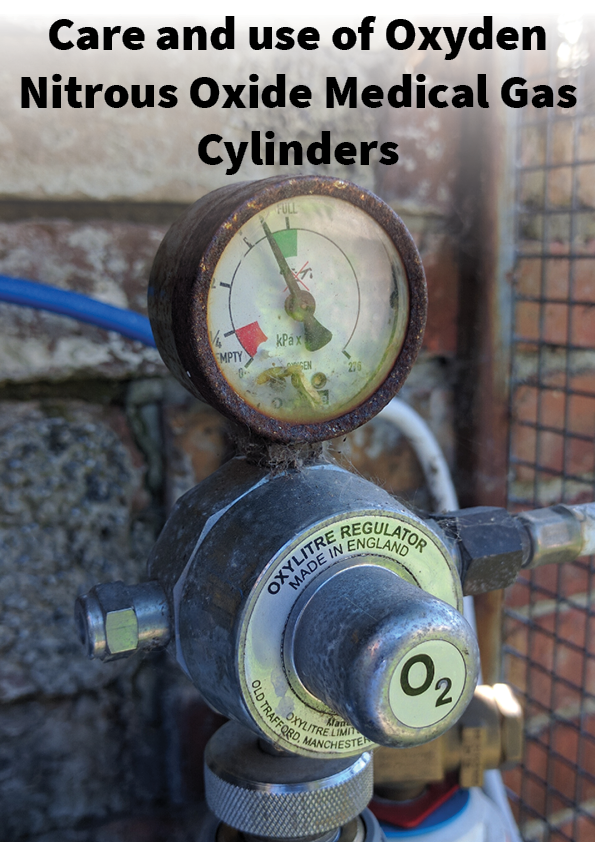
A practical Q&A guide covering the everyday questions that come up around oxygen and nitrous oxide medical gas cylinders — bodok seals, pin-indexing, hand washing, regulator replacement, and the small mistakes that lead to expensive service calls. Originally developed as a sponsored educational supplement and updated for the R A Medical website with all third-party branding removed.
What you'll learn
- Handle and store medical gas cylinders safely.
- Identify the common cylinder connection issues and fix them before they cause downtime.
- Follow correct hand-hygiene practice when changing cylinders.
- Plan a regulator and hose replacement schedule that keeps you compliant.
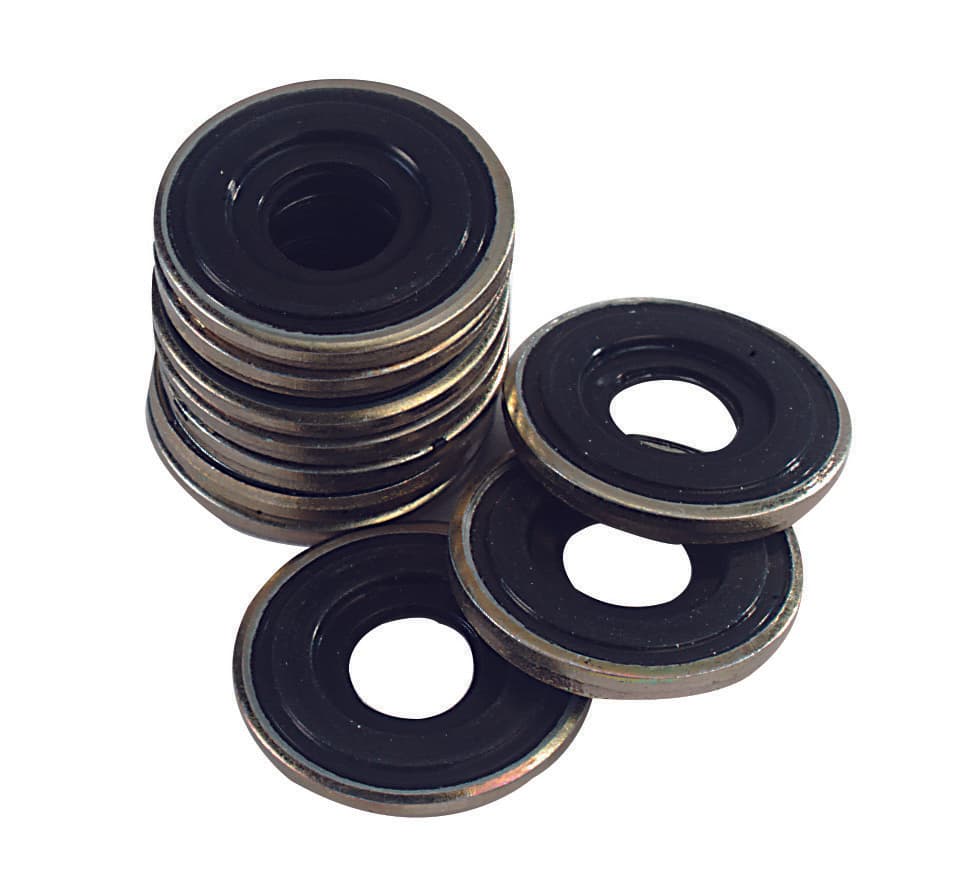
On four-cylinder stands, ensure a bodok seal is in place at all cylinder yoke points. These should ideally be replaced at the first sign of wear or damage, and cylinders must be firmly clamped in position. A missing or worn bodok seal is the most common cause of a slow leak from a cylinder yoke — and a slow leak is the most common reason a practice runs out of gas mid-procedure.
If the reservoir bag is going flat during a sedation procedure with the patient breathing normally and the R A machine set at 6 L/min total flow, the cause is usually one of these:
- Poor mask fit. The Porter Brown double mask has a superior fit against the patient's face compared with older single-mask designs. With the old-style single mask there is often an improper fit, so the patient does not inhale all of the fresh gas flow — most of it leaks out around the mask and the reservoir bag empties.
- Hole in the reservoir bag or tubing. Inspect all rubber goods to ensure they are not holed or damaged.
- Outlet non-return valve. The outlet non-return valve on the R A flowmeter is set to produce a bias to direct some of the fresh gas flow to the patient. If the valve is sticking or damaged, the bias is lost and the bag will empty.
Start with the mask fit — it is the most common cause and the cheapest fix.
Do not use the stand. Broken pin-index pins effectively mean that medical gas cylinders can be transposed — nitrous oxide could be connected to an oxygen yoke. Notify your service provider immediately to request a replacement pin-index yoke assembly.
The cause of broken pins is almost always cylinders being swung or knocked against the yoke during connection. Take care when placing cylinders on the stand, and never force a connection.



Hands should be clean and free from contaminants — especially hand creams. If grease encounters the cylinder valve or yoke assembly, and oxygen is entrained, there is a possibility of an explosive reaction. This is rare but real: oxygen under pressure + hydrocarbon grease = ignition risk.
A simple hand wash with soap and water, with hands fully dry, is sufficient. Avoid oil-based hand creams on the day you change cylinders.
MHRA guidance is to follow the manufacturer's recommendation. For inhalation sedation equipment, it is recommended that hoses and/or regulators be changed every six years, sooner if worn or damaged.
Keep a record of the install date for each regulator and hose in your equipment log. When the six-year mark approaches, plan the replacement with your service provider — most practices batch the change with the next scheduled service visit.
Key takeaways
- Bodok seals: check at every cylinder change. Replace at the first sign of wear.
- Pin-index pins: never use a stand with broken or missing pins — transposing oxygen and nitrous oxide is dangerous.
- Regulators and hoses: replace every six years, or sooner if damaged. Keep records.
References
- Medicines and Healthcare products Regulatory Agency. Medical device alerts.
- Health and Safety Executive. Safe use of gas cylinders.
- Department of Health (2006). Medical Gas Pipeline Systems. HTM 02-01. DH, London.
Originally developed as a sponsored educational supplement in Dental Nursing magazine. Re-published by R A Medical Services Ltd with all third-party branding removed.


